Understanding Guest Satisfaction Scores
Guest satisfaction scores are crucial for hotels, influencing online reviews and repeat bookings. According to a recent study, hotels that achieve a satisfaction score of 90% or higher can see a 15% increase in repeat guests. However, maintaining high scores can be challenging, especially during peak seasons.
Common issues that negatively impact satisfaction include long wait times at check-in, insufficient staff during busy hours, and inconsistent communication. These factors can lead to frustrated guests and, ultimately, lower scores.
The Role of AI Receptionists
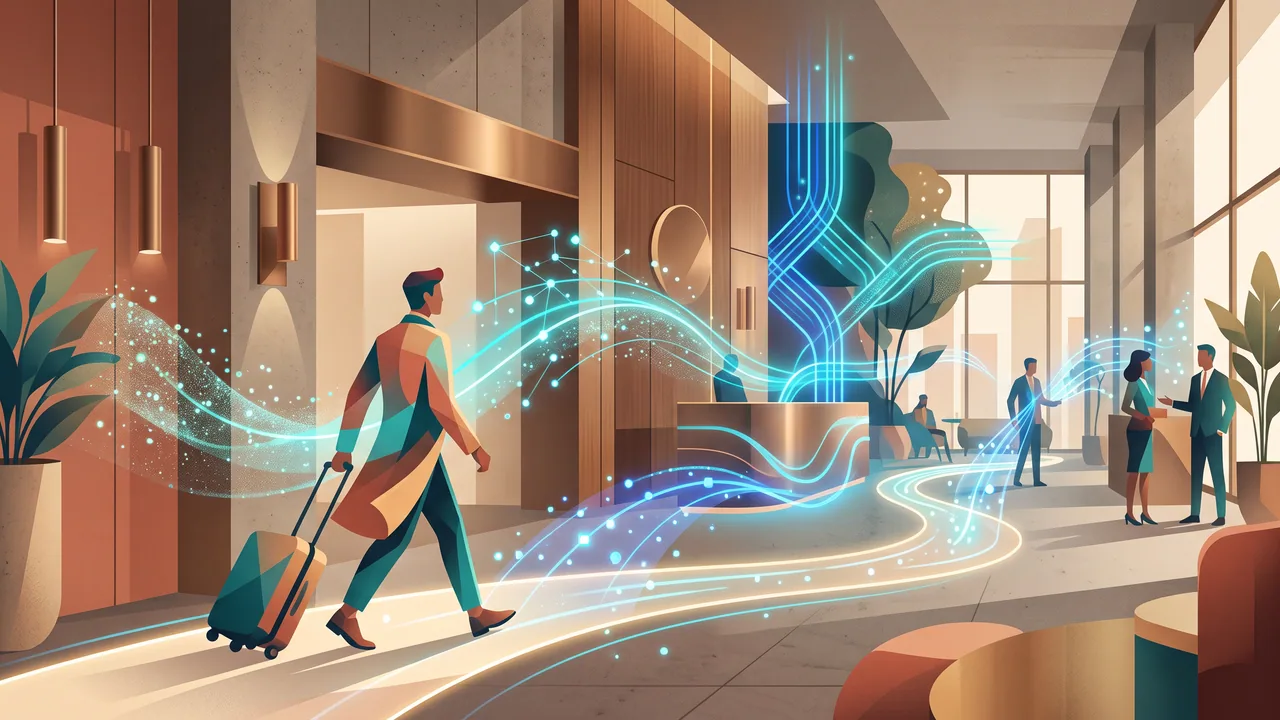
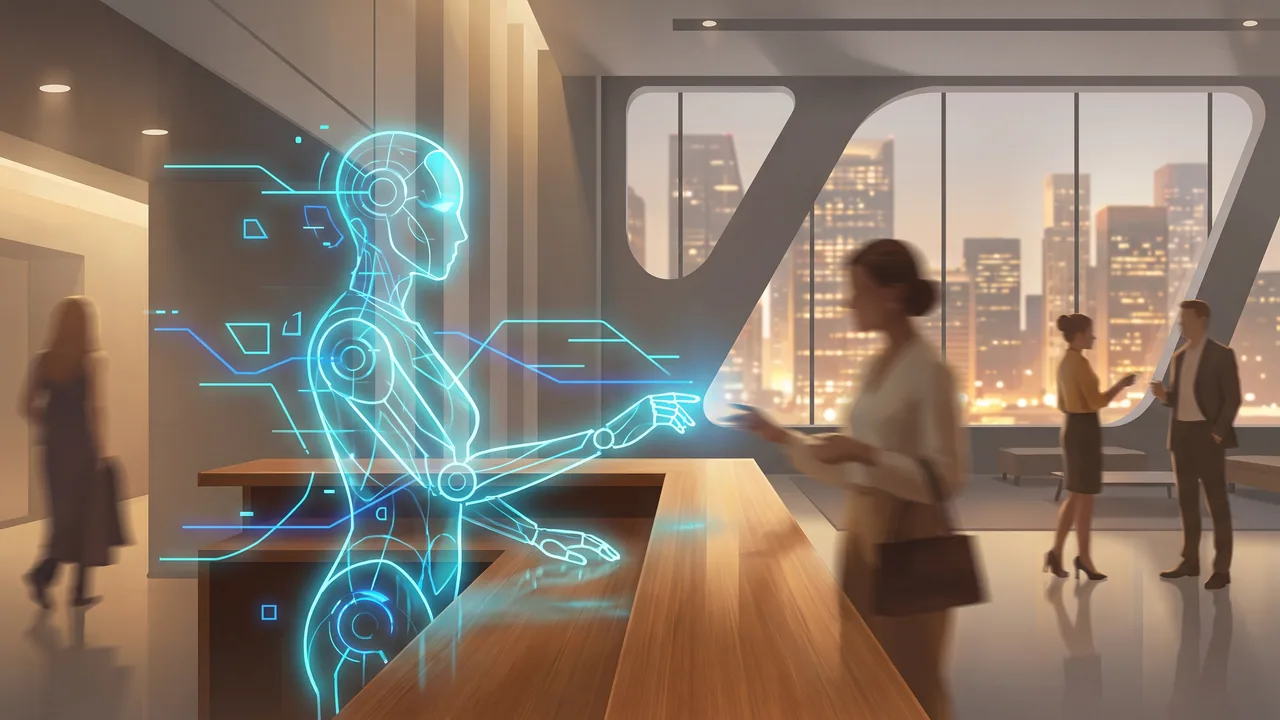
AI receptionists can be a game changer for hotels aiming to improve guest satisfaction. They offer 24/7 support, allowing guests to check in and out without waiting in line. For instance, a hotel that implements an AI receptionist can reduce check-in wait times from an average of 10 minutes to just 1 minute, enhancing the guest experience.
Moreover, AI receptionists can handle common inquiries such as room service requests, local attractions, and booking changes. This means that human staff can focus on more complex tasks, leading to better service quality.
Real-World Examples of Improved Scores
Hotels that have adopted AI receptionists have reported significant improvements in guest satisfaction scores. For example, a boutique hotel in New York City integrated an AI system and saw its satisfaction score rise from 80% to 92% within six months. This boost was attributed to quicker check-in processes and enhanced communication with guests.
Another case involved a resort in Florida that used AI to manage guest requests. The result was a 25% decrease in complaint rates, with guests appreciating the prompt responses to their needs. Such improvements can directly impact a hotel's bottom line by increasing bookings and reducing refund requests.
Operational Efficiency Through AI
Implementing an AI receptionist not only enhances guest satisfaction but also streamlines hotel operations. By automating routine tasks, hotels can save on labour costs. For instance, a mid-sized hotel with an annual payroll of $500,000 could reduce staffing needs by 10% through automation, translating to annual savings of $50,000.
Additionally, AI systems can analyse guest data to identify trends and preferences, allowing hotels to tailor their services better. This personalised experience can lead to higher satisfaction and loyalty.
Getting Started with AI Receptionists
For hotels considering the switch to an AI receptionist, the first step is to assess your specific needs. Look for solutions that integrate seamlessly with your existing systems. Pilot programs can help measure the impact before a full rollout.
As guest expectations continue to rise, investing in AI technology is not just an option but a necessity for staying competitive. By improving satisfaction scores, hotels can enhance their reputation and profitability.
Don’t wait for your competitors to get ahead. Get started today by exploring an AI receptionist solution that fits your hotel’s needs and watch your guest satisfaction soar!
Want to see this in action?
Add an AI Receptionist to your business in 5 minutes. The first 500 sites get 3 months free.