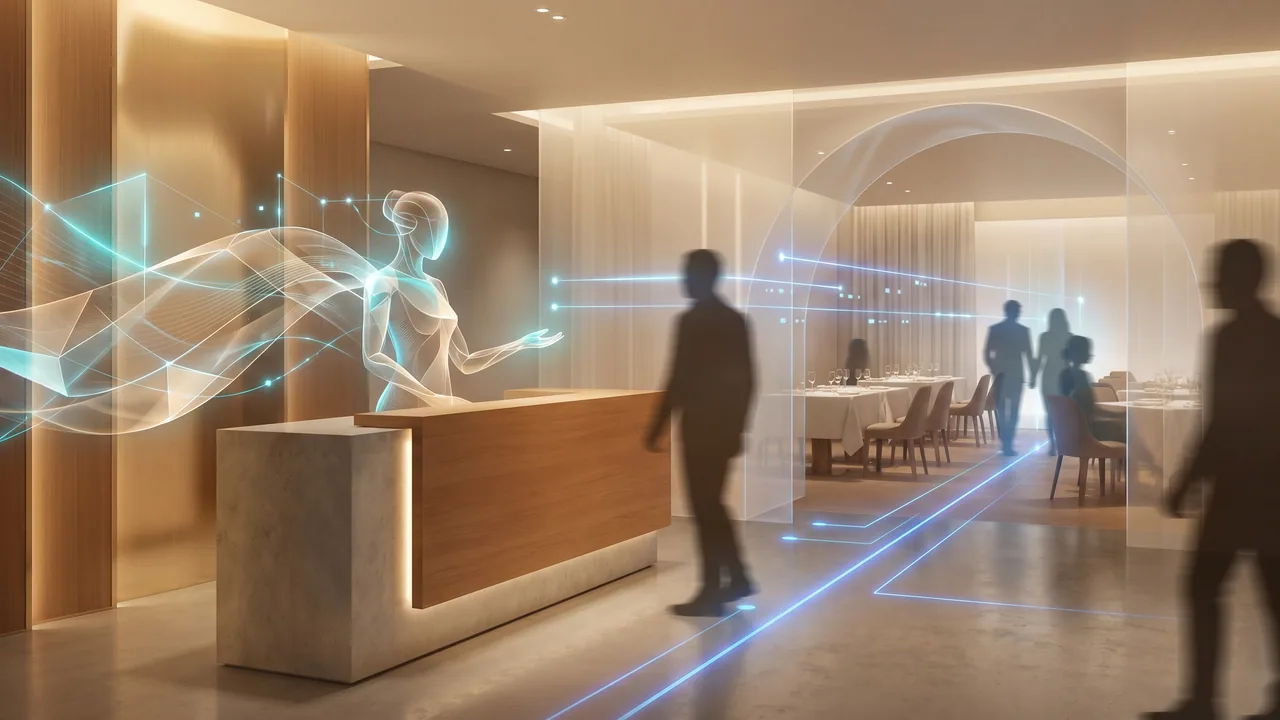
Understanding Customer Preferences
Restaurants are increasingly using AI to gather data on customer preferences. A 2022 study showed that personalised interactions can increase customer satisfaction by up to 25%. By analysing past orders and feedback, AI systems can identify trends and tailor recommendations, ensuring that guests feel valued and understood.
For instance, if a customer frequently orders vegetarian dishes, the AI can suggest new vegetarian options or specials when they make a reservation or place an order. This level of personalisation not only enhances the dining experience but also drives repeat business.
Automating Reservations and Follow-ups
AI can streamline the reservation process, reducing wait times and improving customer service. According to statistics, restaurants that implemented AI-driven reservation systems saw a 30% decrease in no-show rates. These systems can send automated reminders and follow-up messages, ensuring customers are more likely to arrive at their bookings.
Furthermore, after a dining experience, AI can prompt guests for feedback through personalised messages. This can lead to improved service, as restaurants can quickly address any issues or concerns raised by patrons.
Enhancing Marketing Efforts
Personalisation doesn’t stop with customer interactions; it extends to marketing efforts as well. AI can analyse customer data to create targeted marketing campaigns that resonate with specific segments. For example, if a restaurant identifies a group of customers who frequently order desserts, they can send special offers on dessert items to these customers via email or SMS, potentially increasing dessert sales by up to 20%.
Moreover, AI can help identify peak dining times and popular menu items, allowing restaurants to adjust their marketing strategies and promotional offers accordingly. This data-driven approach ensures that marketing efforts are both efficient and effective.
Improving Staff Efficiency
AI can also assist staff by providing them with insights about customer preferences in real-time. For example, when a customer enters the restaurant, the AI system can alert the staff about their past orders or dietary restrictions. This information allows staff to offer tailored recommendations immediately, enhancing the dining experience.
Additionally, AI can manage inventory more effectively by predicting which dishes are likely to be popular based on historical data. This reduces food waste and ensures that popular items are always available, saving restaurants money in the long run.
Measuring Success and Customer Loyalty
Implementing AI to personalise customer interactions leads to measurable success. Restaurants that have adopted AI-driven personalisation strategies report an average increase in customer loyalty of 15%. By creating memorable experiences, restaurants are more likely to retain customers and encourage them to return.
Using AI analytics, restaurants can track metrics such as customer retention rates, average order values, and feedback scores. This data provides valuable insights that can inform future strategies, ensuring continuous improvement and customer satisfaction.
In conclusion, the integration of AI in restaurants not only personalises interactions but also enhances operational efficiency and customer loyalty. If you're ready to transform your restaurant's customer experience, get started today by exploring AI solutions tailored for your business.
Want to see this in action?
Add an AI Receptionist to your business in 5 minutes. The first 500 sites get 3 months free.